
Welcome to Diné College Press
Diné College Press is a publishing platform that provides a space to support the intellectual, cultural, and creative works of Navajo and Indigenous peoples throughout Indian Country. The press empowers learners, enhance Indigenous scholarship, and contribute to the ongoing preservation of traditional knowledge and storytelling. Diné College Press prioritizes cultural integrity and community-centered values in the development of books, journals, and other works that promote the understanding of Diné and Indigenous perspectives.
The mission of Diné College Press is to publish high-quality scholarly and creative works that reflect the depth and diversity of Diné and Indigenous knowledge. The Press produces books, and a biannual journal committed to high-quality standards grounded in respect, responsibility, and critical engagement. The goal of the Diné College Press is to elevate voices from the Navajo Nation and across Indigenous communities, to contribute to education, cultural resilience, and a broader understanding of Tribal self-determination and creativity.
The purpose of Diné College Press is to fulfill the longstanding need for culturally grounded educational materials, while also supporting the growing body of scholarship and creative works produced by Navajo and Indigenous peoples. The press provides a platform where community members, scholars, and artists share work that enhances collective understanding and promotes and informs public discourse to inspire future generations. Diné College Press fundamentally enhances the academic and creative framework of Diné College, the first tribal college, to publish works that explore Indigenous ways of thinking.
Navajo Community College Press was established in 1969, one year after the founding of Navajo Community College, the first and oldest tribal college in the country. It stood as a significant example of Indigenous publishing led by a tribal college, providing a space for Navajo and Indigenous people to share their work. Between the 1960s and late 1990s, the press published nearly 40 books, many of which served as foundational texts in Diné studies, including bilingual books on Diné Bizaad, history, culture, and governance. In addition to books, the press published Diné Be’iina’: A Journal of Navajo Life, along with reports, monographs, student writings, and newsletters. All these publications highlighted ongoing scholarship occurring across Dinétah and Indian Country. Although Navajo Community College Press went dormant in the 1990s, its impact endures, and its legacy has paved the way for the renewed Diné College Press, which remains committed to advancing Diné and Indigenous work.
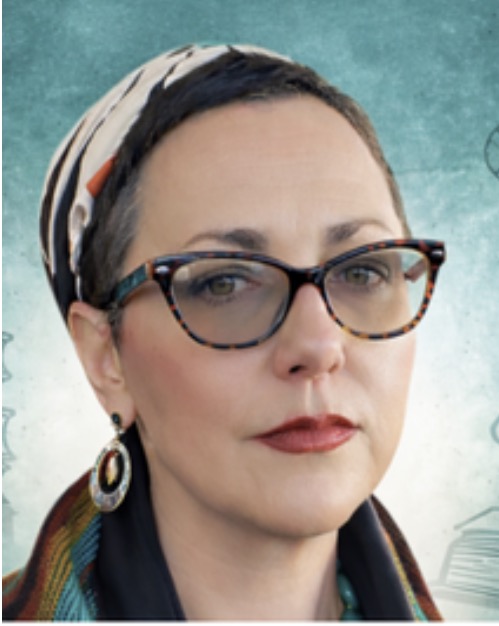
Victoria LaPoe, Ph.D.
Victoria LaPoe, Ph.D., is a full professor and mixed-methods researcher whose published, peer-reviewed, and creative scholarship employs both quantitative and qualitative methodologies, including experimental design, surveys, in-depth interviews, thematic analysis, and content analysis. Her research is recognized for innovative, interdisciplinary, and ethically grounded approaches to media, communication, and emerging technologies.
As part of a team of scholars who first published work connecting Indigenous Standpoint Theory to journalism in the United States, LaPoe has authored several book chapters and co-authored five books: Centering Indigenous Standpoints through Mediated Communication: Seeding Good Medicine (Bloomsbury Academic, 2025); Getting Voices Heard: Underserved Communities and Digital Discourse (Lexington Press, 2019); Resistance Advocacy as News (Lexington Press, 2018; paperback 2020); Indian Country: Telling a Story in a Digital Age (Michigan State Press, 2017); and Oil and Water: Media Lessons from Hurricane Katrina and the Deepwater Horizon Disaster (University Press of Mississippi, 2014; paperback 2015).
Her articles appear in journals including Communication Research, Journal of Communication Inquiry, Ethical Space, Visual Communication Quarterly, Journal of Public Interest Communication, Howard Journal of Communications, Electronic News, and Health Communication. She previously served as Vice President of the Native American Journalists Association (2017–2019) and is a Lifetime Member of the Indigenous Journalists Association, where she has been on the education committee since 2015.
Ezra Rosser is a tenured professor at American University Washington College of Law, where he has taught since 2006. Ezra regularly teaches Property Law, Federal Indian Law, Poverty Law, Housing Law, Land Use, and Wills, Trusts, and Estates. Ezra has an MPhil from the University of Cambridge (UK) in Land Economics, a J.D. from Harvard Law School, and a BA in Economics and English from Yale University. His book, A Nation Within: Navajo Land and Economic Development, was published by Cambridge University Press in 2021. Ezra is a non-Indian and can be reached at erosser@wcl.american.edu.
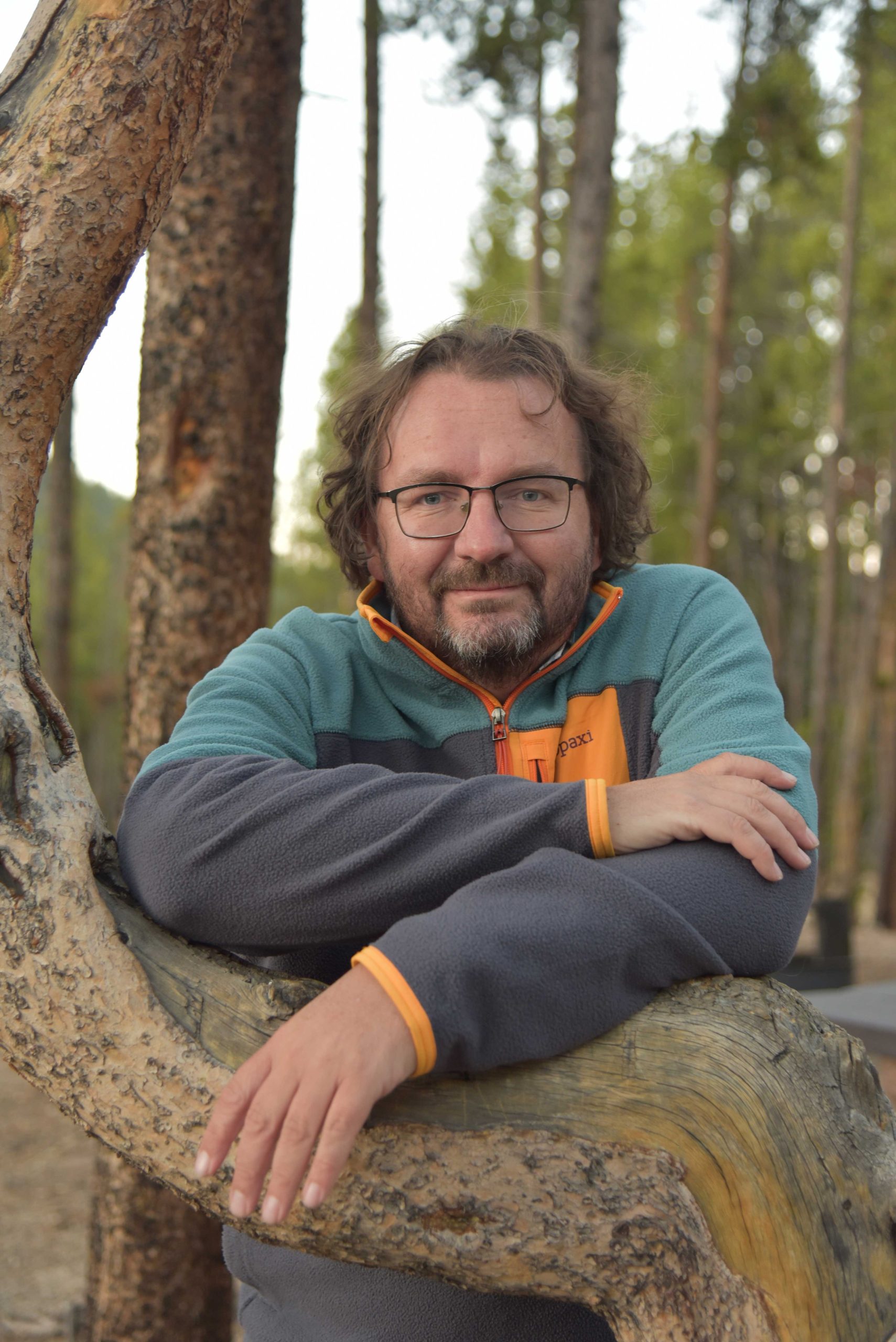
Ezra Rosser
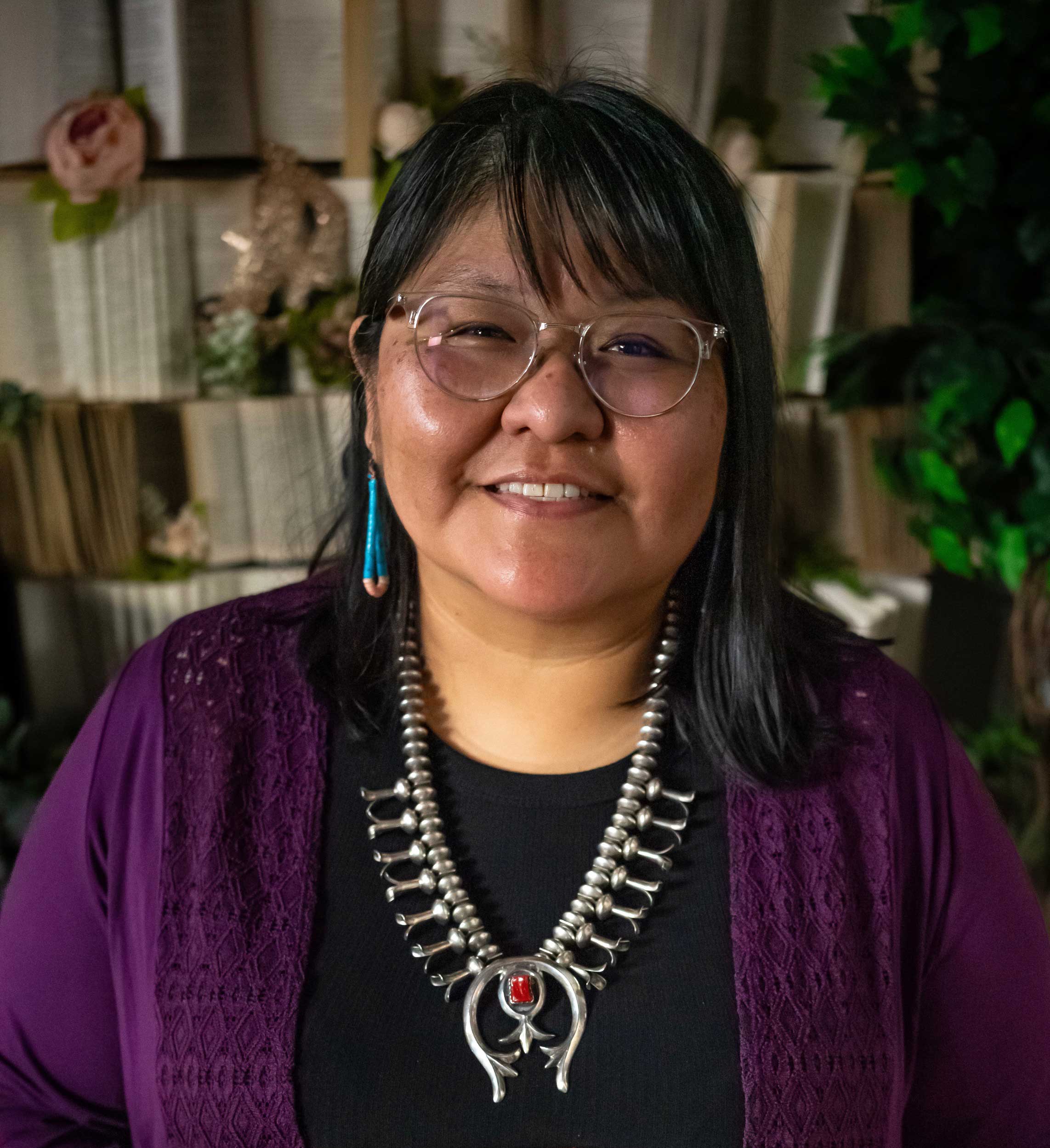
Danielle C. Burbank
Yá’át’ééh! Shí éí Danielle C. Burbank yinishyé. Hashk’ąąn Hadzohí (Yucca Fruit-Strung-Out-In-A-Line) nishli’. Tsé Ńjíkiní (Cliff Dwellers People) éí bashishchíín. Tábąąhí (Water’s Edge) dashicheii. Dziłtł’ahnii (Mountain Cove) dashinálí.
I am originally from Crystal, New Mexico but currently reside in Farmington, New Mexico. I have been a librarian for 20 years.
Dr. Kelly Berry is an enrolled citizen of the Apache Tribe of Oklahoma with affiliations to the Kiowa and Choctaw Nations. Currently, he is a Mellon Impact Post-Doctoral Fellow/Lecturer at the University of Oklahoma in the Department of Native American Studies, a certified 5-12 social studies teacher in Oklahoma, having served as faculty at Riverside Indian School, the Bureau of Indian Education’s (BIE) oldest off-reservation Indian boarding school, and a certified K-12 principal in Oklahoma. He is a current board member for the Oklahoma Council for Social Studies (OCSS), Oklahoma Council for Indian Education (OCIE), and his research includes eSports in Indian education and Indian schools in the American Colonies (1500s-1700s).
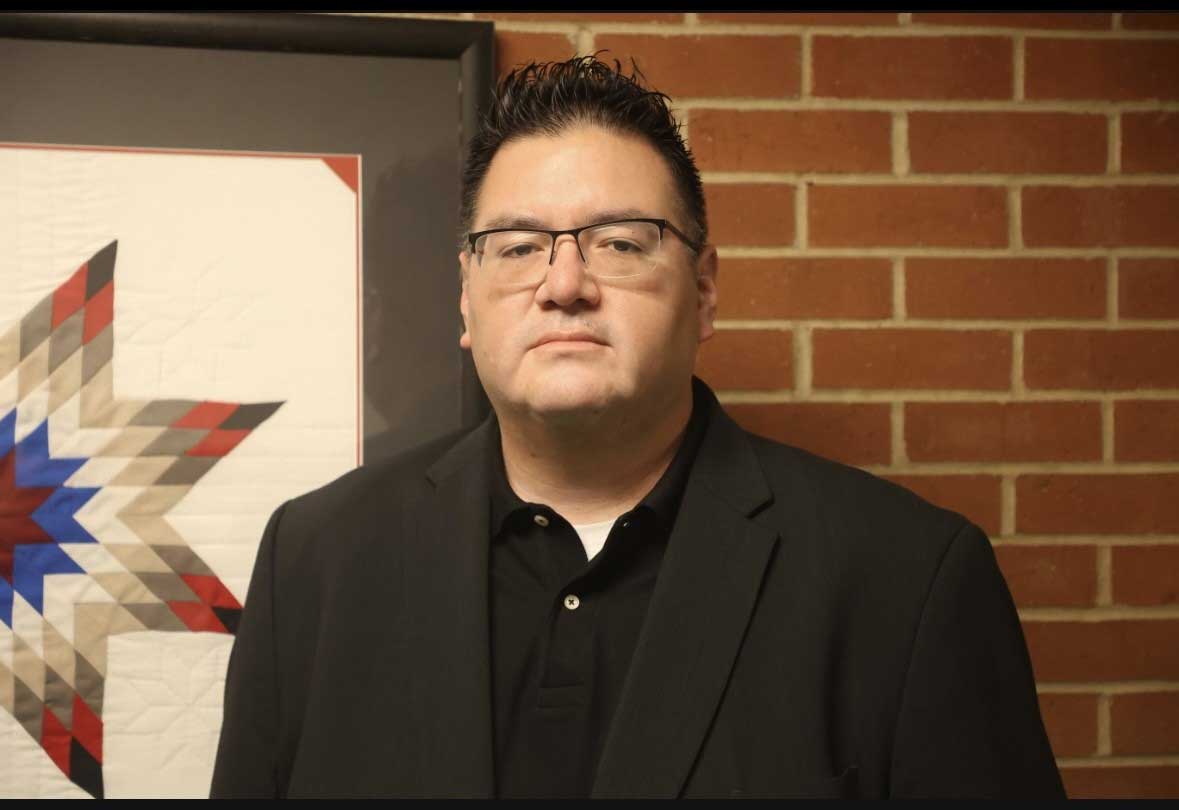
Dr. Kelly Berry
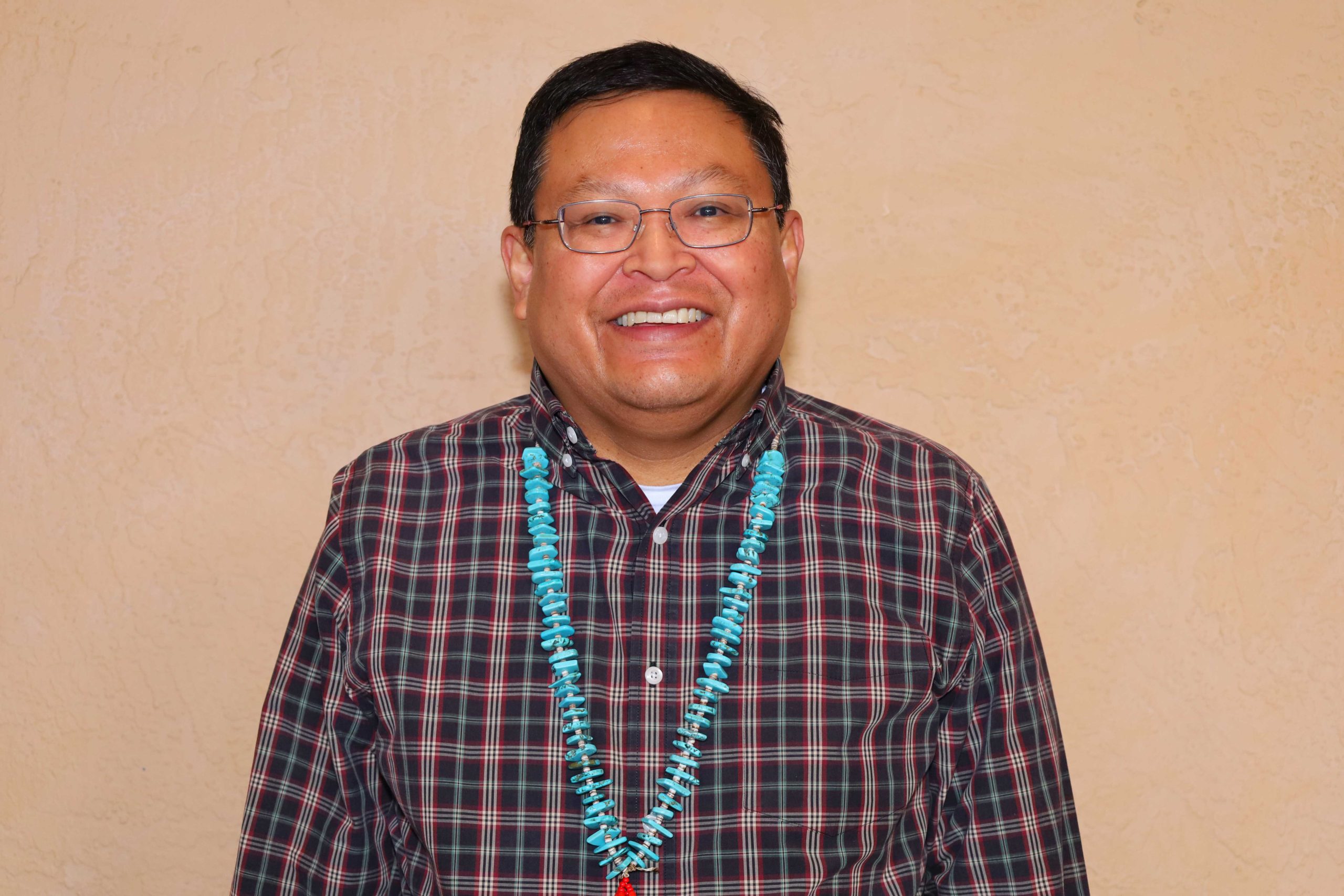
Lloyd L. Lee, Ph. D.
Lloyd L. Lee, Ph.D. is an enrolled citizen of the Navajo Nation. He is Kiyaa’áanii (Towering House People), born for Táchii’nii (Red Cheeks People). His maternal grandfather’s clan is ’Áshįįhí (Salt Clan) and his paternal grandfather’s clan is Tábąąhá (Water’s Edge People).
He is Professor and Chair of the Department of Native American Studies at the University of New Mexico (UNM), and editor of the Wicazo Sa Review journal. He is also co-editor with Wendy Shelly Greyeyes, Ph.D., of the University of New Mexico Press book series Studies in Indigenous Community Building. His research focuses on Indigenous and Navajo identity, Diné masculinities, Indigenous leadership, Indigenous philosophies, and Native Nation building/Indigenous community building.
Robin Máxkii (Stockbridge-Munsee Mohican) is a writer and technologist whose work has appeared across major national and global platforms. A proud tribal college alumna of Diné College and Salish Kootenai College, her writing has appeared in The Chronicle of Higher Education, Tribal College Journal, and other national publications, has been cited in former U.S. Senator Byron Dorgan’s book The Girl in the Photograph, and was part of Michelle Obama’s Better Make Room initiative.
Her work has been featured at national and global scale, including a full-page feature in The New York Times. She is a former Creative Director at IllumiNative and creative at Wieden+Kennedy, where she became the first Native copywriter in the agency’s global creative department, and her work has reached hundreds of millions through national brand campaigns.
She wrote an introductory speech for former First Lady Dr. Jill Biden, co-hosted PBS’s Code Trip, was the subject of Google’s documentary Between Worlds, and was invited to speak at the United Nations CSW on Women in Tech Shaping Our Future. She currently serves on the board of the Digital Sovereignty Project.
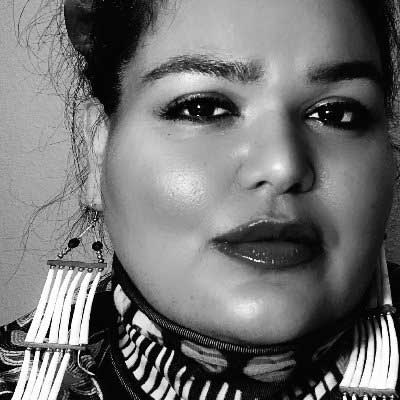
Robin Máxkii
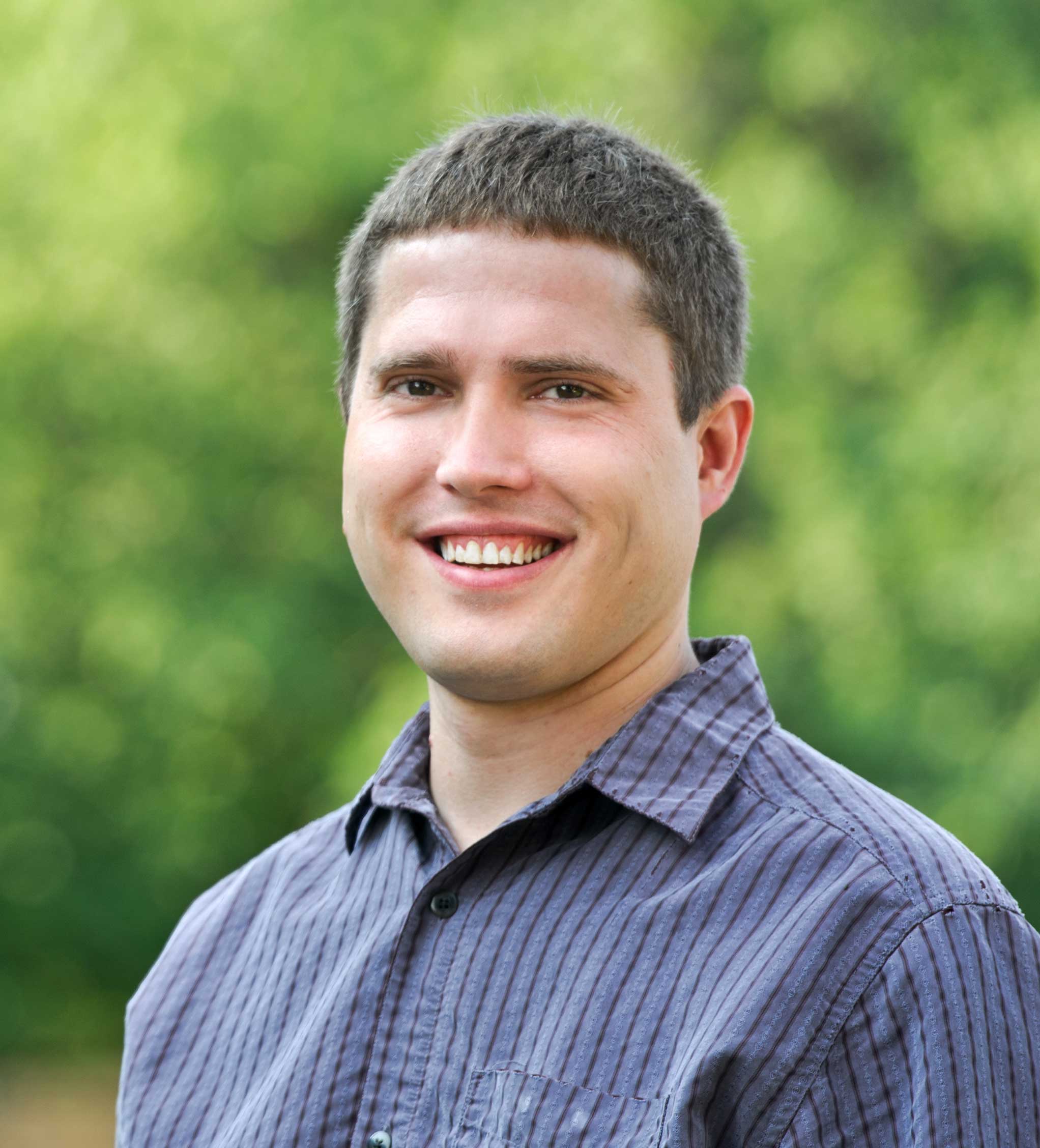
Seth Schermerhorn
Seth Schermerhorn is a Non-Indigenous (Bilagáana) scholar of American Indian and Indigenous Peoples and lifeways, particularly in the southwestern United States and beyond. Although Schermerhorn has worked with several Indigenous Peoples, he works most extensively with the Tohono O’odham Nation. He is Associate Professor of American Studies at Hamilton College in Oneida (Onyota’a:ká) territory in Central New York State. Schermerhorn earned his PhD in religious studies from Arizona State University. He is the author of Walking to Magdalena, co-editor of Movement and Indigenous Religions, and founding editor of Indigenous Religious Traditions.
Taylor Notah Parkhurst (Táchii’nii, born for Tódích’ii’nii) is a citizen of the Navajo Nation originally from St. Michaels, Arizona. She serves as Communications Program Coordinator for the American Indian Studies program at Arizona State University and as Managing Editor of the Journal of American Indian Education, a leading international academic journal focused on Indigenous education. Taylor has also served as senior editor of Turning Points: A Guide to Native Student Success, ASU’s first Indigenous student magazine, and co-hosted the accompanying student podcast.
A graduate of the Walter Cronkite School of Journalism and Mass Communication, Taylor’s work has appeared in ICT (formerly Indian Country Today), Navajo Times, Gila River Indian News, and other outlets. She is deeply committed to community advocacy and currently serves as a parent advisor for Northern Arizona University’s Autism Support, Community, and Education in the Navajo Nation through the Diné Parents Taking Action Program (ASCEND).
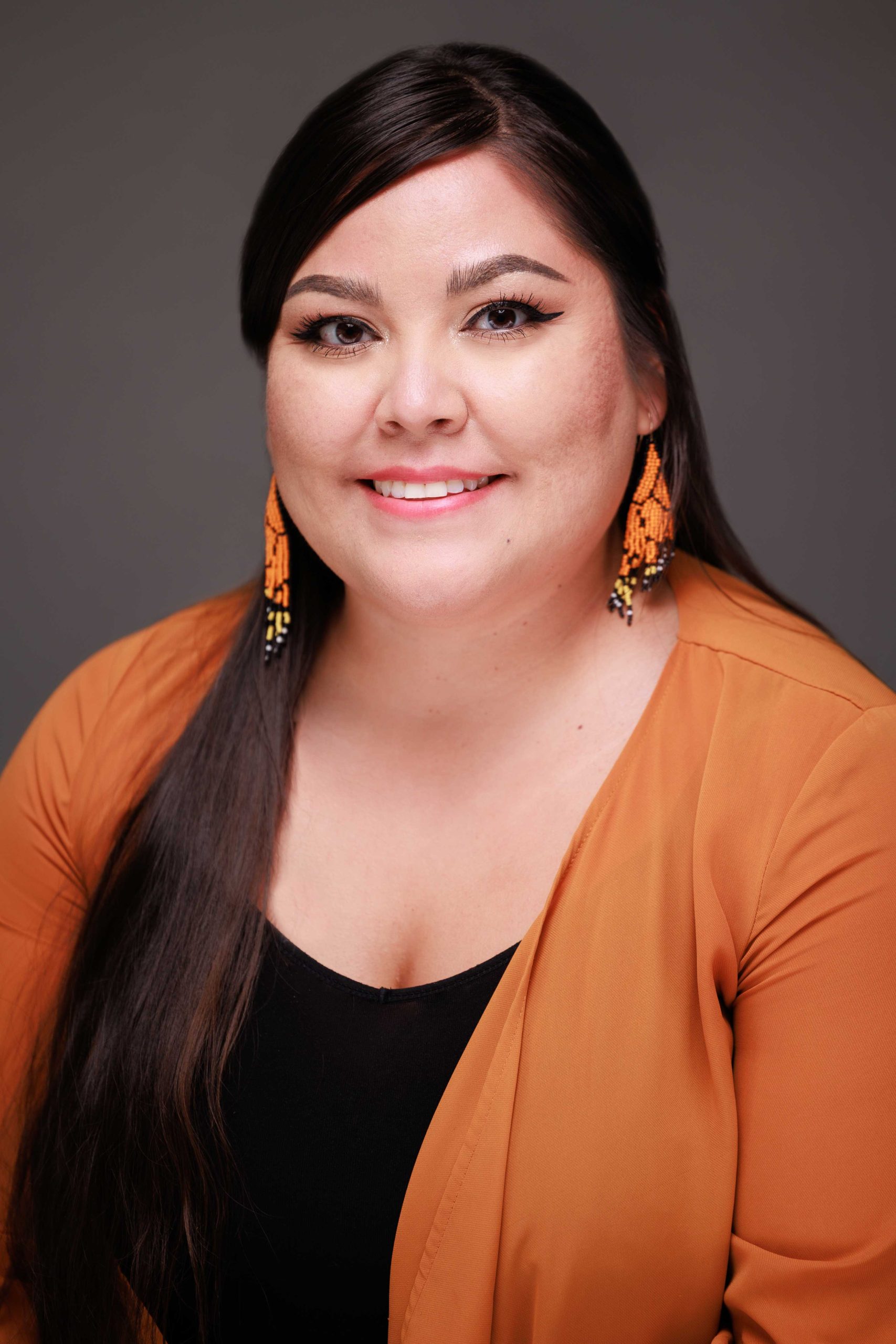
Taylor Notah Parkhurst
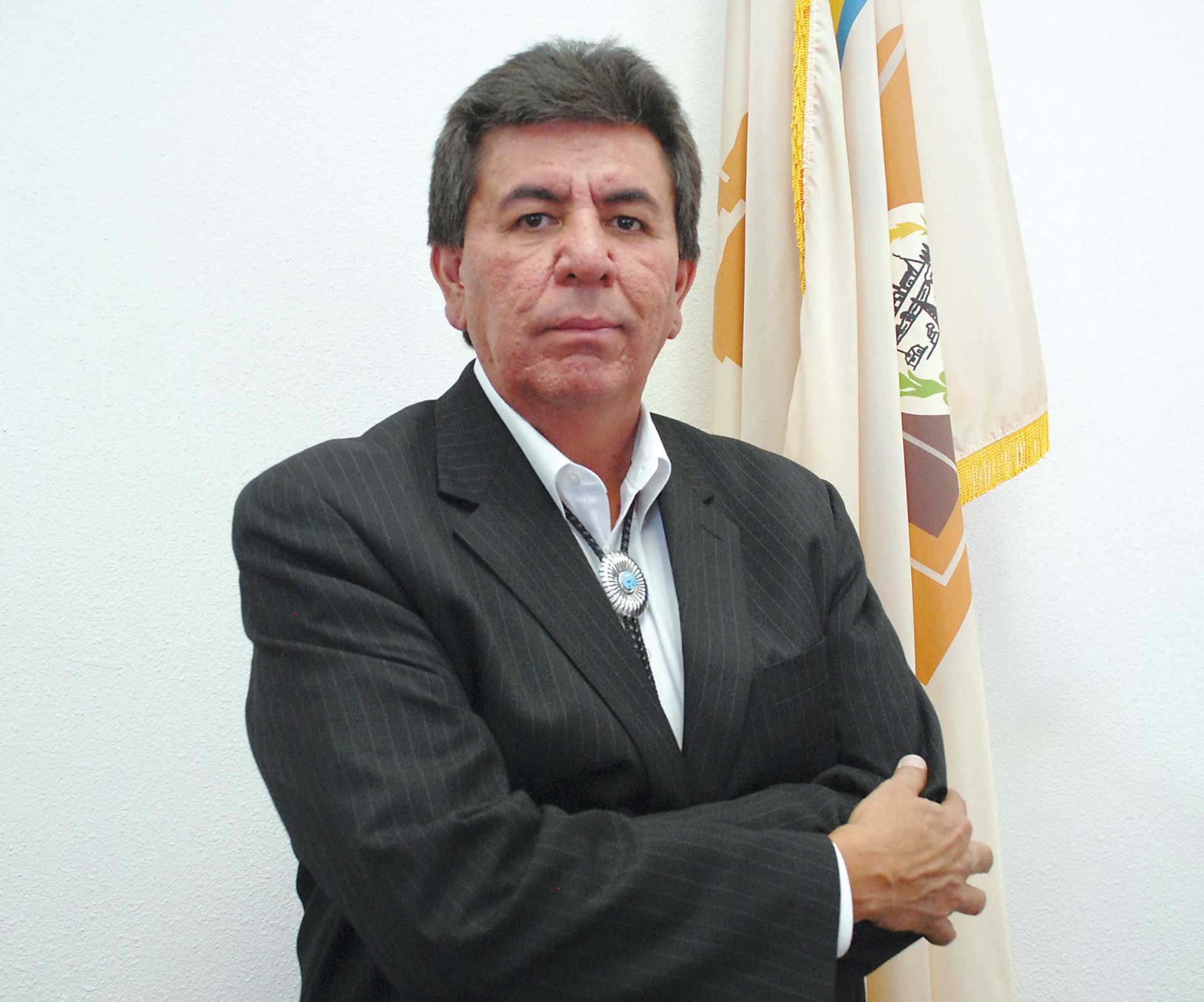
Tommy Arviso Jr.
Tommy “Tom” Arviso Jr. served as Chief Executive Officer and Publisher of the Navajo Times Publishing Company, dedicating 38 years to journalism, editing, and leadership. A member of the Navajo Nation, he began his career as a college intern in 1983. He later guided the Navajo Times through significant milestones, such as the historic 2004 transition to an independent, for-profit company. The newspaper became the largest Native American–owned paper in the United States under his leadership.
Widely recognized for his contributions to Native journalism, Arviso has earned honors such as the Medill Milestone Achievement Award, the Robert G. McGruder Award for Diversity Leadership, and the Zenger Award for Freedom of the Press. In addition, as a lifetime member of the Indigenous Journalists Association, he has mentored generations of Native journalists.
Arviso now consults and spends time with his family in Gallup, New Mexico.
From Toĺlkan, Arizona, Tylia Begaye carries the strength of four Diné clans: Tó’aheedlĺinii (Water Runs Together Clan), Mą’ĺĺ deeshgĺĺzhĺnĺĺ (Coyote Pass People), Táchii’nii (Red Running into the Water People), and Bit’ahnii (Under His Cover People).
Growing up navigating between worlds—traditional and modern, reservation and mainstream—taught Tylia that survival requires both community connection and individual strength. In a harsh world that often demands conformity, she learned to honor her roots while forging her own path. Writing became her bridge between these realities, allowing her to preserve ancestral wisdom while challenging systems of injustice.
Currently pursuing both an Associates in Business Management and a bachelor’s in Navajo Nation Law, Tylia has contributed to The Diné Artisans & Authors Capacity Building Institute Anthology with her poem, Landback in 2025. As an activist writer, she understands that precise language shapes justice, using her bilingual voice to advocate for Indigenous rights and create lasting change through law.
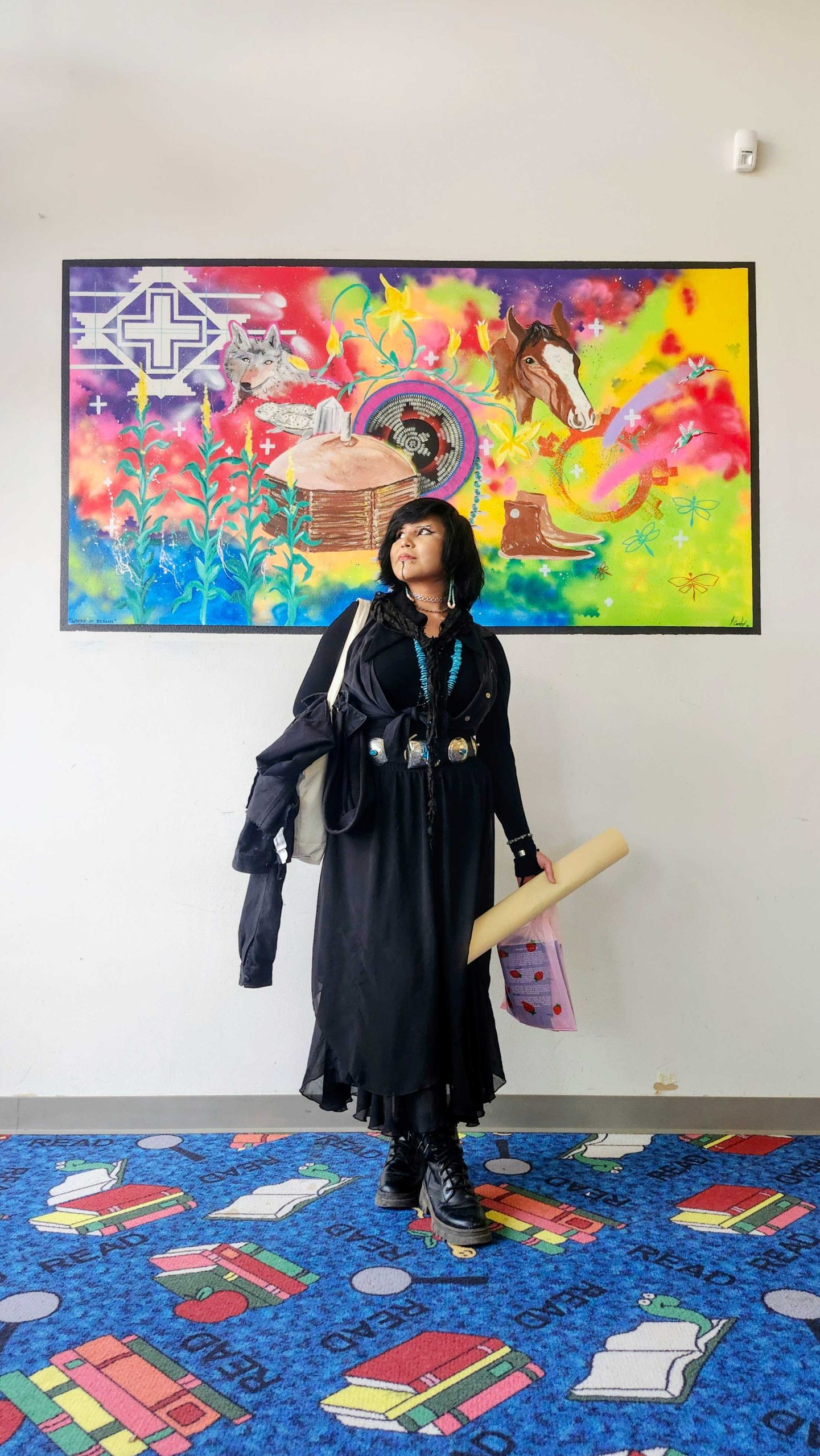
Tylia Begaye
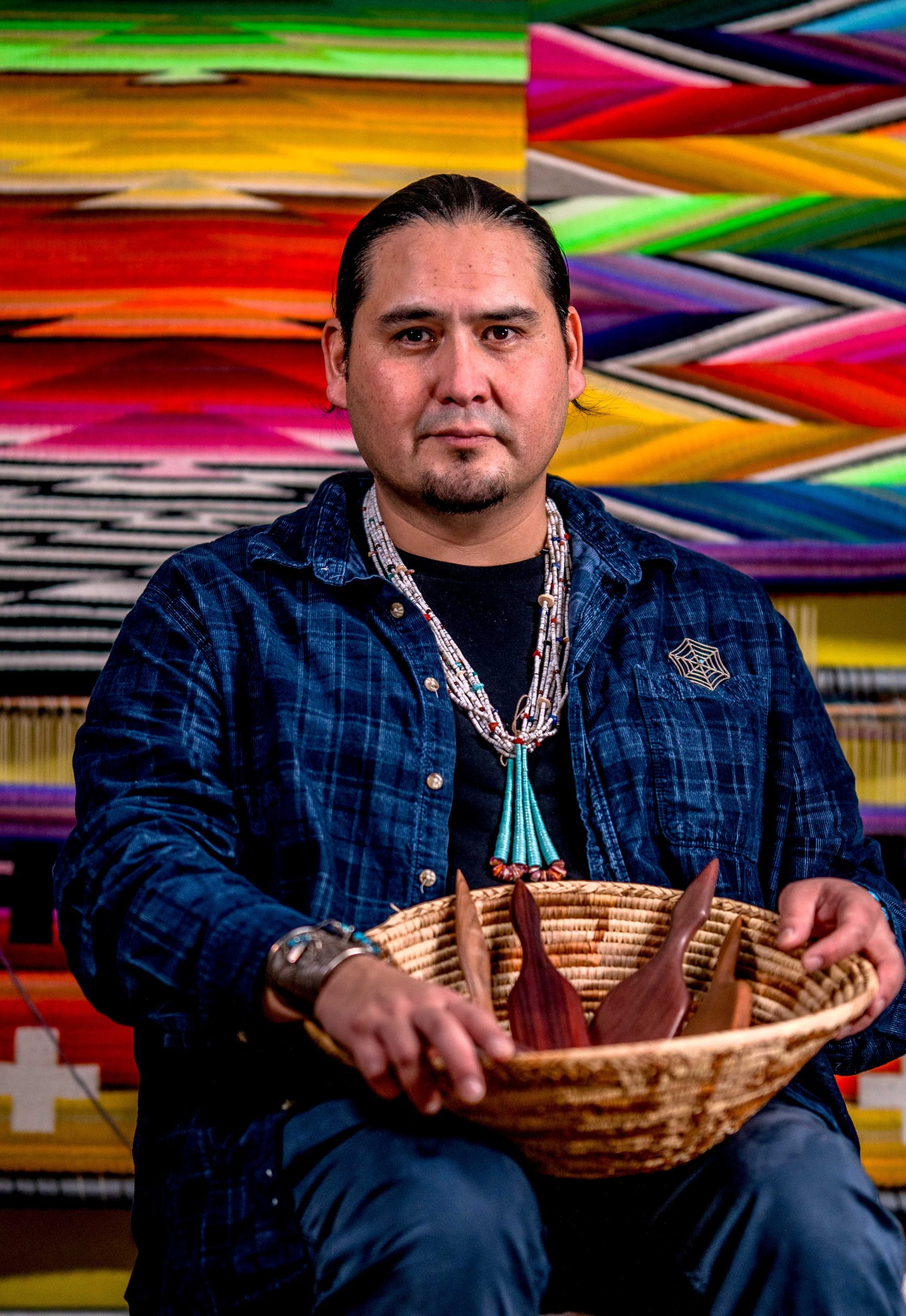
Venancio Francis Aragón
Venancio Francis Aragón is a citizen of the Navajo Nation with Hispanic heritage from Northern New Mexico. He presently serves as the Navajo Weaving/Textile Design Instructor at Diné College within the School of Arts and Humanities. As an accomplished artist, Aragón has earned numerous awards at juried art exhibitions and has both participated in and curated multiple group and solo shows. His work has been highlighted in documentary films and on television. Aragón was awarded the 2020 Rollin and Mary Ella King Native Artist Fellowship at the School for Advanced Research. His scholarly work centers on the intersections between Navajo textile traditions and settler colonialism. Aragon is dedicated to documenting and teaching rare and endangered Navajo weaving techniques. He is currently completing his master’s degree in Culturally and Linguistically Diverse Education at Fort Lewis College in Durango, Colorado.
Dr. Wade Campbell (Diné [Kinyaa’áanii/Bilagaana]) is an Assistant Professor of Archaeology and Anthropology at Boston University. His research explores the historical relationships between Diné (Navajo) communities and other local groups in the US Southwest, including the Pueblos, Spanish, and Americans. Wade is engaged with a range of questions related to longer-term patterns of Diné settlement and economic activity across the greater Four Corners region, with a particular focus on the origins of the Diné sheepherding tradition and related shifts in land-use, social organization, and diet/subsistence practices.
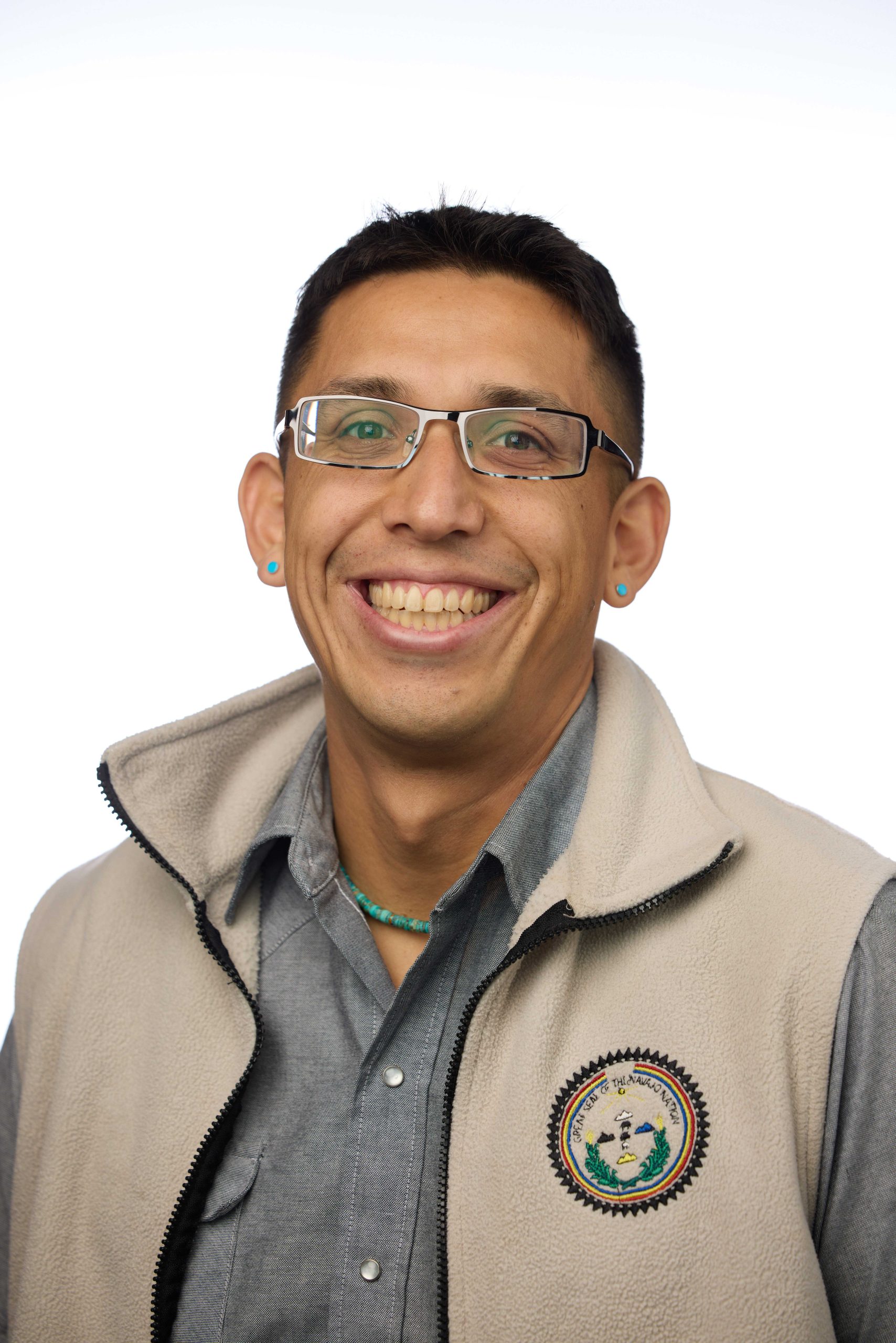
Dr. Wade Campbell
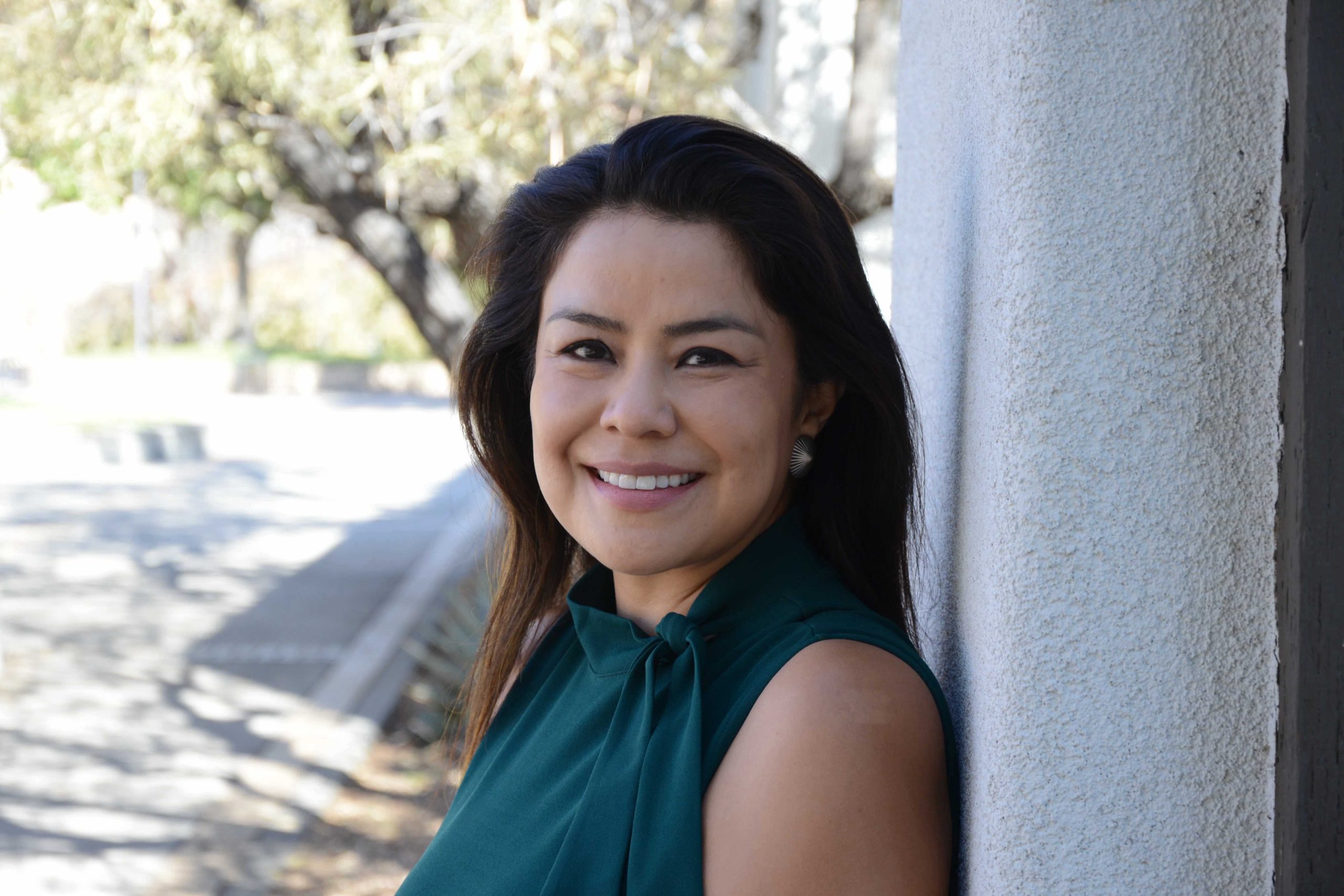
Wendy Shelly Greyeyes, Ph.D.
Wendy Shelly Greyeyes, Ph.D. (Diné) is Tódích’íinii (Bitterwater Clan), born for Tódích’íinii (Bitterwater Clan), maternal clans are of the Tó’ahání (Near the Water Clan) and paternal clans are of the Ásh88hí (Salt Clan). She grew up in Tódínéeshzhee’ (Kayenta, Arizona). Dr. Greyeyes is an Associate Professor of Native American Studies at the University of New Mexico. Greyeyes was the 2023-2024 Nits’áá dóó ídahwiil’aah Fellow (“We Are Learning from You”) at Diné College. She is the series co-editor (with Dr. Lloyd Lee) for the Indigenous Studies in Community Building, University of New Mexico Press and chair for the Navajo Nation Human Rights Commission.
Editorial Board
Victoria LaPoe, Ph.D.
Victoria LaPoe, Ph.D., is a full professor and mixed-methods researcher whose published, peer-reviewed, and creative scholarship employs both quantitative and qualitative methodologies, including experimental design, surveys, in-depth interviews, thematic analysis, and content analysis. Her research is recognized for innovative, interdisciplinary, and ethically grounded approaches to media, communication, and emerging technologies.
As part of a team of scholars who first published work connecting Indigenous Standpoint Theory to journalism in the United States, LaPoe has authored several book chapters and co-authored five books: Centering Indigenous Standpoints through Mediated Communication: Seeding Good Medicine (Bloomsbury Academic, 2025); Getting Voices Heard: Underserved Communities and Digital Discourse (Lexington Press, 2019); Resistance Advocacy as News (Lexington Press, 2018; paperback 2020); Indian Country: Telling a Story in a Digital Age (Michigan State Press, 2017); and Oil and Water: Media Lessons from Hurricane Katrina and the Deepwater Horizon Disaster (University Press of Mississippi, 2014; paperback 2015).
Her articles appear in journals including Communication Research, Journal of Communication Inquiry, Ethical Space, Visual Communication Quarterly, Journal of Public Interest Communication, Howard Journal of Communications, Electronic News, and Health Communication. She previously served as Vice President of the Native American Journalists Association (2017–2019) and is a Lifetime Member of the Indigenous Journalists Association, where she has been on the education committee since 2015.
Ezra Rosser is a tenured professor at American University Washington College of Law, where he has taught since 2006. Ezra regularly teaches Property Law, Federal Indian Law, Poverty Law, Housing Law, Land Use, and Wills, Trusts, and Estates. Ezra has an MPhil from the University of Cambridge (UK) in Land Economics, a J.D. from Harvard Law School, and a BA in Economics and English from Yale University. His book, A Nation Within: Navajo Land and Economic Development, was published by Cambridge University Press in 2021. Ezra is a non-Indian and can be reached at erosser@wcl.american.edu.
Ezra Rosser
Danielle C. Burbank
Yá’át’ééh! Shí éí Danielle C. Burbank yinishyé. Hashk’ąąn Hadzohí (Yucca Fruit-Strung-Out-In-A-Line) nishli’. Tsé Ńjíkiní (Cliff Dwellers People) éí bashishchíín. Tábąąhí (Water’s Edge) dashicheii. Dziłtł’ahnii (Mountain Cove) dashinálí.
I am originally from Crystal, New Mexico but currently reside in Farmington, New Mexico. I have been a librarian for 20 years.
Dr. Kelly Berry is an enrolled citizen of the Apache Tribe of Oklahoma with affiliations to the Kiowa and Choctaw Nations. Currently, he is a Mellon Impact Post-Doctoral Fellow/Lecturer at the University of Oklahoma in the Department of Native American Studies, a certified 5-12 social studies teacher in Oklahoma, having served as faculty at Riverside Indian School, the Bureau of Indian Education’s (BIE) oldest off-reservation Indian boarding school, and a certified K-12 principal in Oklahoma. He is a current board member for the Oklahoma Council for Social Studies (OCSS), Oklahoma Council for Indian Education (OCIE), and his research includes eSports in Indian education and Indian schools in the American Colonies (1500s-1700s).
Dr. Kelly Berry
Lloyd L. Lee, Ph. D.
Lloyd L. Lee, Ph.D. is an enrolled citizen of the Navajo Nation. He is Kiyaa’áanii (Towering House People), born for Táchii’nii (Red Cheeks People). His maternal grandfather’s clan is ’Áshįįhí (Salt Clan) and his paternal grandfather’s clan is Tábąąhá (Water’s Edge People).
He is Professor and Chair of the Department of Native American Studies at the University of New Mexico (UNM), and editor of the Wicazo Sa Review journal. He is also co-editor with Wendy Shelly Greyeyes, Ph.D., of the University of New Mexico Press book series Studies in Indigenous Community Building. His research focuses on Indigenous and Navajo identity, Diné masculinities, Indigenous leadership, Indigenous philosophies, and Native Nation building/Indigenous community building.
Robin Máxkii (Stockbridge-Munsee Mohican) is a writer and technologist whose work has appeared across major national and global platforms. A proud tribal college alumna of Diné College and Salish Kootenai College, her writing has appeared in The Chronicle of Higher Education, Tribal College Journal, and other national publications, has been cited in former U.S. Senator Byron Dorgan’s book The Girl in the Photograph, and was part of Michelle Obama’s Better Make Room initiative.
Her work has been featured at national and global scale, including a full-page feature in The New York Times. She is a former Creative Director at IllumiNative and creative at Wieden+Kennedy, where she became the first Native copywriter in the agency’s global creative department, and her work has reached hundreds of millions through national brand campaigns.
She wrote an introductory speech for former First Lady Dr. Jill Biden, co-hosted PBS’s Code Trip, was the subject of Google’s documentary Between Worlds, and was invited to speak at the United Nations CSW on Women in Tech Shaping Our Future. She currently serves on the board of the Digital Sovereignty Project.
Robin Máxkii
Seth Schermerhorn
Seth Schermerhorn is a Non-Indigenous (Bilagáana) scholar of American Indian and Indigenous Peoples and lifeways, particularly in the southwestern United States and beyond. Although Schermerhorn has worked with several Indigenous Peoples, he works most extensively with the Tohono O’odham Nation. He is Associate Professor of American Studies at Hamilton College in Oneida (Onyota’a:ká) territory in Central New York State. Schermerhorn earned his PhD in religious studies from Arizona State University. He is the author of Walking to Magdalena, co-editor of Movement and Indigenous Religions, and founding editor of Indigenous Religious Traditions.
Taylor Notah Parkhurst (Táchii’nii, born for Tódích’ii’nii) is a citizen of the Navajo Nation originally from St. Michaels, Arizona. She serves as Communications Program Coordinator for the American Indian Studies program at Arizona State University and as Managing Editor of the Journal of American Indian Education, a leading international academic journal focused on Indigenous education. Taylor has also served as senior editor of Turning Points: A Guide to Native Student Success, ASU’s first Indigenous student magazine, and co-hosted the accompanying student podcast.
A graduate of the Walter Cronkite School of Journalism and Mass Communication, Taylor’s work has appeared in ICT (formerly Indian Country Today), Navajo Times, Gila River Indian News, and other outlets. She is deeply committed to community advocacy and currently serves as a parent advisor for Northern Arizona University’s Autism Support, Community, and Education in the Navajo Nation through the Diné Parents Taking Action Program (ASCEND).
Taylor Notah Parkhurst
Tommy Arviso Jr.
Tommy “Tom” Arviso Jr. served as Chief Executive Officer and Publisher of the Navajo Times Publishing Company, dedicating 38 years to journalism, editing, and leadership. A member of the Navajo Nation, he began his career as a college intern in 1983. He later guided the Navajo Times through significant milestones, such as the historic 2004 transition to an independent, for-profit company. The newspaper became the largest Native American–owned paper in the United States under his leadership.
Widely recognized for his contributions to Native journalism, Arviso has earned honors such as the Medill Milestone Achievement Award, the Robert G. McGruder Award for Diversity Leadership, and the Zenger Award for Freedom of the Press. In addition, as a lifetime member of the Indigenous Journalists Association, he has mentored generations of Native journalists.
Arviso now consults and spends time with his family in Gallup, New Mexico.
From Toĺlkan, Arizona, Tylia Begaye carries the strength of four Diné clans: Tó’aheedlĺinii (Water Runs Together Clan), Mą’ĺĺ deeshgĺĺzhĺnĺĺ (Coyote Pass People), Táchii’nii (Red Running into the Water People), and Bit’ahnii (Under His Cover People).
Growing up navigating between worlds—traditional and modern, reservation and mainstream—taught Tylia that survival requires both community connection and individual strength. In a harsh world that often demands conformity, she learned to honor her roots while forging her own path. Writing became her bridge between these realities, allowing her to preserve ancestral wisdom while challenging systems of injustice.
Currently pursuing both an Associates in Business Management and a bachelor’s in Navajo Nation Law, Tylia has contributed to The Diné Artisans & Authors Capacity Building Institute Anthology with her poem, Landback in 2025. As an activist writer, she understands that precise language shapes justice, using her bilingual voice to advocate for Indigenous rights and create lasting change through law.
Tylia Begaye
Venancio Francis Aragón
Venancio Francis Aragón is a citizen of the Navajo Nation with Hispanic heritage from Northern New Mexico. He presently serves as the Navajo Weaving/Textile Design Instructor at Diné College within the School of Arts and Humanities. As an accomplished artist, Aragón has earned numerous awards at juried art exhibitions and has both participated in and curated multiple group and solo shows. His work has been highlighted in documentary films and on television. Aragón was awarded the 2020 Rollin and Mary Ella King Native Artist Fellowship at the School for Advanced Research. His scholarly work centers on the intersections between Navajo textile traditions and settler colonialism. Aragon is dedicated to documenting and teaching rare and endangered Navajo weaving techniques. He is currently completing his master’s degree in Culturally and Linguistically Diverse Education at Fort Lewis College in Durango, Colorado.
Dr. Wade Campbell (Diné [Kinyaa’áanii/Bilagaana]) is an Assistant Professor of Archaeology and Anthropology at Boston University. His research explores the historical relationships between Diné (Navajo) communities and other local groups in the US Southwest, including the Pueblos, Spanish, and Americans. Wade is engaged with a range of questions related to longer-term patterns of Diné settlement and economic activity across the greater Four Corners region, with a particular focus on the origins of the Diné sheepherding tradition and related shifts in land-use, social organization, and diet/subsistence practices.
Dr. Wade Campbell
Wendy Shelly Greyeyes, Ph.D.
Wendy Shelly Greyeyes, Ph.D. (Diné) is Tódích’íinii (Bitterwater Clan), born for Tódích’íinii (Bitterwater Clan), maternal clans are of the Tó’ahání (Near the Water Clan) and paternal clans are of the Ásh88hí (Salt Clan). She grew up in Tódínéeshzhee’ (Kayenta, Arizona). Dr. Greyeyes is an Associate Professor of Native American Studies at the University of New Mexico. Greyeyes was the 2023-2024 Nits’áá dóó ídahwiil’aah Fellow (“We Are Learning from You”) at Diné College. She is the series co-editor (with Dr. Lloyd Lee) for the Indigenous Studies in Community Building, University of New Mexico Press and chair for the Navajo Nation Human Rights Commission.
Contact
Editorial Director, Diné College Press Diné Bikéyah – Diné College Tsaile, Arizona Office: (928) 724-6975