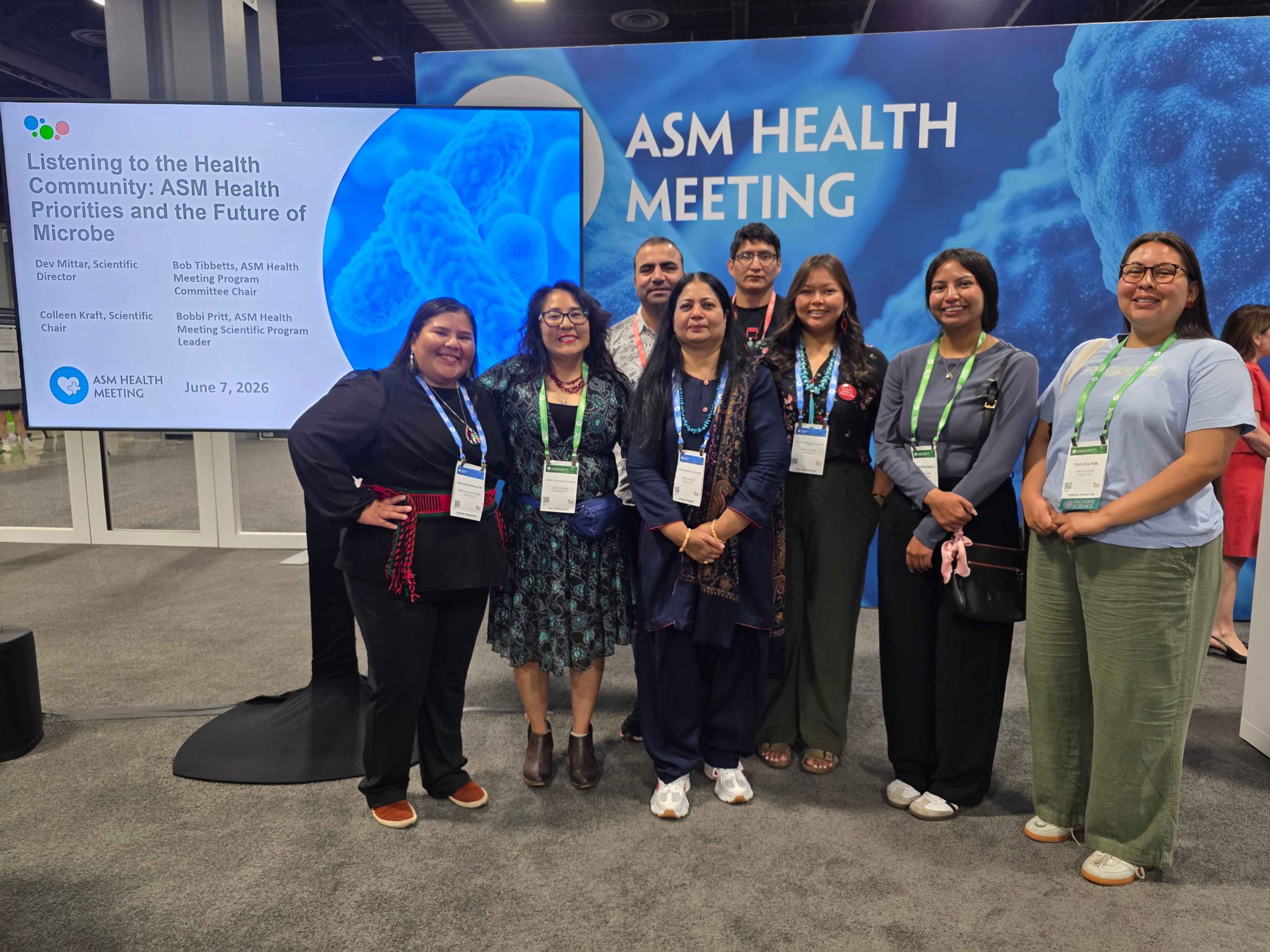
Diné College Professor Dr. Shazia Tabassum Hakim Receives Global 2026 ASM William A. Hinton Award Before 10,000 Microbiologists; Four Diné College Student Researchers also Present at ASM Microbe
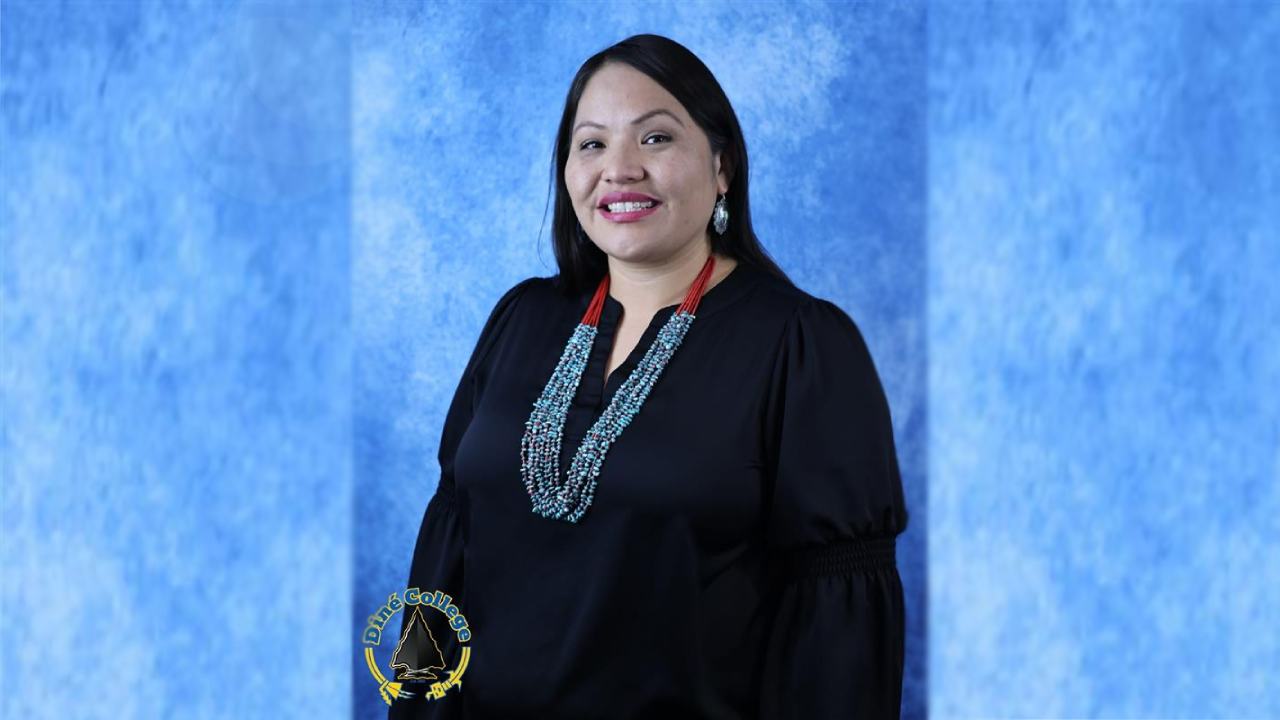
TUBA CITY, Ariz., June 16, 2026 – Diné College is proud to celebrate Dr. Shazia Tabassum Hakim, Professor and Interim Dean of the School of STEM, who officially received the prestigious 2026 William A. Hinton Award from the American Society for Microbiology (ASM) on June 4th before more than 10,000 global attendees. Following the presentation, Dr. Hakim delivered a persuasive award speech on June 7th at the flagship ASM Microbe conference in Washington, D.C. Her lecture was titled, “Assessing the Advantages, Limitations, and Practical Feasibility of Integrating Reclaimed Wastewater into Water Resource Portfolios,” highlighting critical sustainability research alongside her work expanding water scarcity and equity across the microbial sciences.
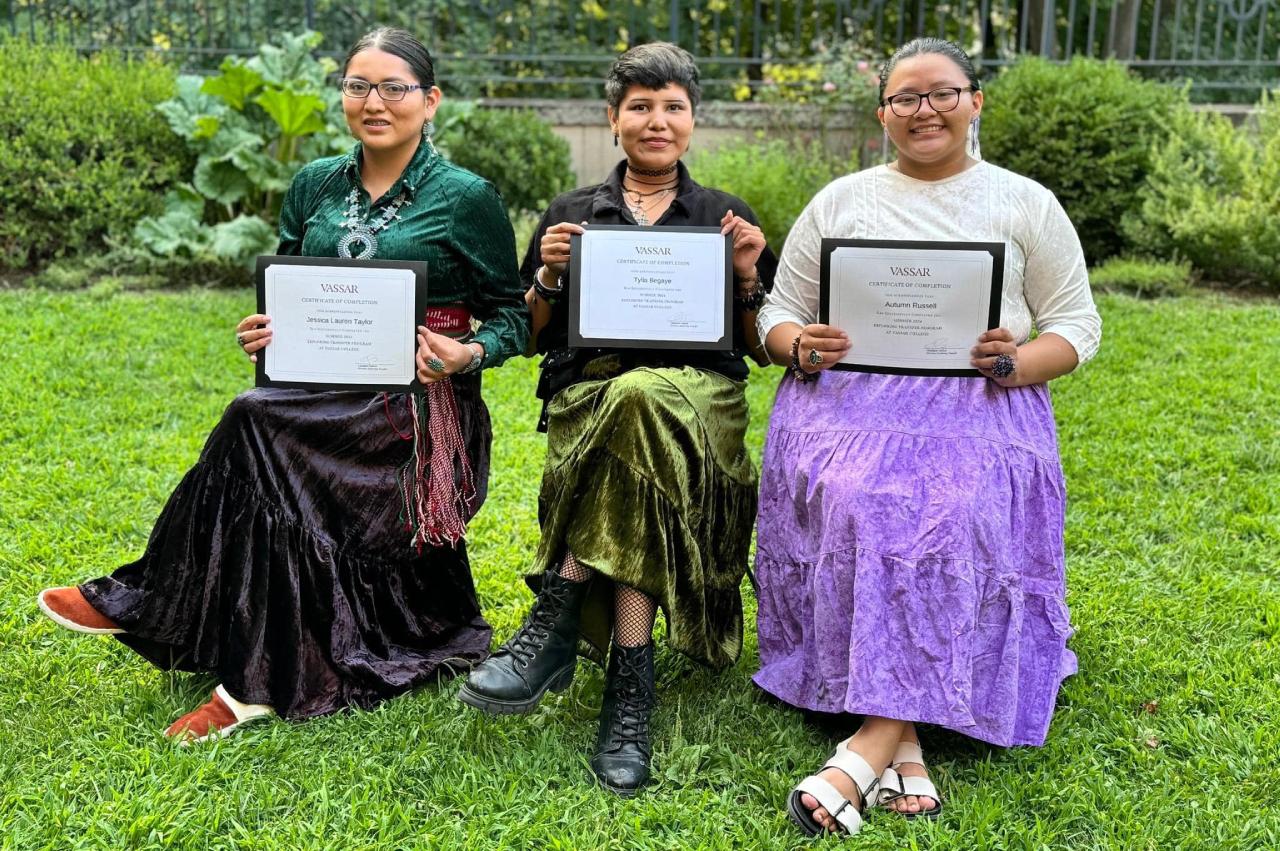
The elite national honor, given in memory of visionary physician-scientist Dr. William A. Hinton, recognizes outstanding service in training microbiologists from diverse backgrounds. Dr. Hakim, former Dean Research and Science, Jinnah University for Women, Karachi, Pakistan, currently leads academic and research efforts at the Diné College Tuba City Center, Arizona. She was also joined at the conference by six graduate student researchers from her lab, four of them presented original scientific research addressing critical environmental, clinical, and community health concerns:
– Tori Fulton, BS: Presented “Connection between non-potable water sources and spread of waterborne infections in the southwest.”
– Karlene Piestewa, MS: Presented “Healing diabetic wounds with raw honey: a Navajo Hopi centered Study.”
– Ian Nez, MS: Presented “Evaluating the existence of Helicobacter pylori’s unique virulence markers (cagA and vacA genes) in water samples collected from the Navajo Nation”, and
– Dizzhonia Stanley, BS: Presented “A Comparative Analysis of Feline Paw Microbiota: Indoor and Outdoor Environmental Influence.”
“Receiving the William A. Hinton Award on June 4th was a profound validation of our mission to build a representative, highly skilled scientific workforce right here on the Navajo Nation,” said Dr. Hakim, reflecting on her June 7th address. “Seeing four of our brilliant student researchers present their findings on a national stage alongside the world’s top microbiologists is the truest reflection of this award. Through programs like the NIH-funded CONVOY Project, NSF – funded MS Biology program, and DOD sponsored equipment purchase grant, our students blend their rich Indigenous knowledge and cultural foundations with advanced molecular and clinical microbiology to solve real-world, community challenges. This proves that curiosity and research does not just enrich scientific discovery—it accelerates it.”
Beyond the CONVOY initiative, Dr. Hakim has been a cornerstone of local scientific advancement, spearheading federally funded research in wastewater reclamation and agricultural safety alongside institutions like the University of Arizona and Northern Arizona University. Her lab provides intensive research opportunities that equip underrepresented students with specialized skills in immunology, genomic data science, bioinformatics, and clinical microbiology.
“The ASM Awards Program celebrates the dedication that drives microbiology forward,” said ASM CEO Stefano Bertuzzi.
“Dr. Hakim’s impactful work in nurturing diverse perspectives serves as an inspiration for the next generation of scientific innovators.” For details about Dr. Hakim’s research, student presentations, or STEM enrollment options, visit the Diné College Official Website.
About Diné College
Diné College is a public tribal land-grant institution serving the Navajo Nation across multiple campuses, including its major center in Tsaile and its robust STEM programming hub in Tuba City, Arizona. Established in 1968 as the first tribally controlled college in the U.S., Diné College integrates high-quality academic training in biomedical sciences with traditional Navajo culture and principles of harmony with the natural world.
For more information about the Diné College School of Science, Technology, Engineering, and Mathematics, visit http://www.dinecollege.edu/school-of-science-technology….